
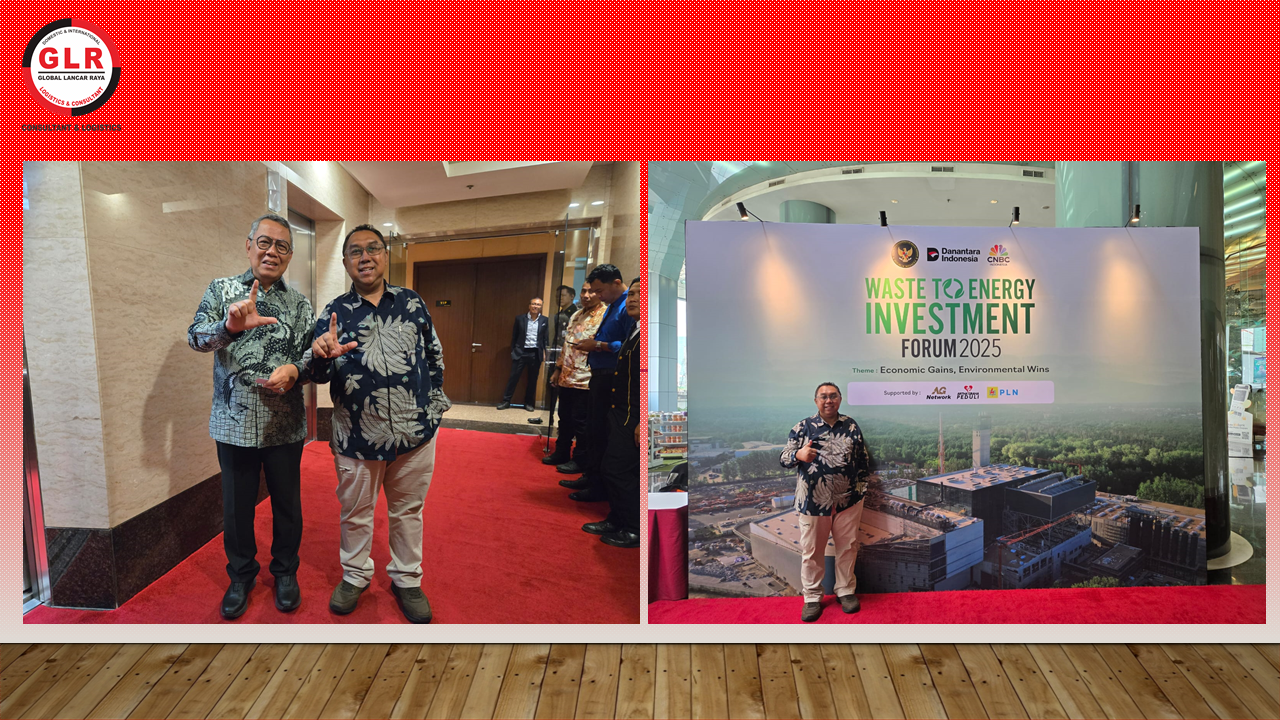
CNBC Indonesia and the Coordinating Ministry for Food Affairs held the Waste to Energy Investment Forum 2025 to discuss strategies for developing waste-to-energy (WtE) programs as a solution for waste management and national energy security. The forum highlighted the challenges, opportunities, and government efforts in encouraging the implementation of WtE technology in Indonesia.
CNBC Indonesia, in collaboration with the Coordinating Ministry for Food Affairs and BPI Danantara, presented the Waste to Energy Investment Forum 2025 on Wednesday, November 19, 2025. The forum thoroughly examined strategies for developing waste-to-energy (WtE) programs as a sustainable solution for waste management and strengthening national energy security.
The forum, attended by various stakeholders, including PT Global Lancar Raya/Global Logistik Raya (GLR), aimed to discuss the challenges and opportunities in implementing WtE technology in Indonesia and attract investment to support sustainable infrastructure development. In-depth discussions on applicable laws and regulations, funding mechanisms, and case studies of successful WtE projects are expected to provide a comprehensive overview to investors and local governments. Furthermore, this forum will serve as a platform for sharing knowledge and experiences among stakeholders and building a strong collaborative network to accelerate the implementation of WtE programs throughout Indonesia. Panel discussions involving experts in the fields of energy, environment, and investment will provide in-depth insights into the potential and benefits of WtE technology, as well as solutions to overcome various obstacles faced in WtE project development. Coordinating Minister for Food, Zulkifli Hasan, at the 2025 Waste to Energy Investment Forum, explained that the 'waste to energy' (WtE) program is a flagship government program. Its goal is to convert waste into energy, either in the form of electricity or heat. This step is implemented through the construction of facilities such as Waste to Energy Power Plants (PLTSa), which are designed to process non-recyclable waste. This not only reduces the volume of waste in landfills (TPA) but also produces an environmentally friendly green energy source. Zulkifli Hasan highlighted that although the WtE program has been running for 11 years, only three agreements for the construction of waste-to-energy (PLTSa) WtE management centers have been reached. The program's stagnation is due to complex regulations and various other challenges, which hamper efforts to address the growing waste problem. He also emphasized the importance of clear regulations and support from various parties to ensure the future success of the WtE program. The government is committed to providing convenience for investors and local governments in developing WtE projects, as well as ensuring the sustainability of this program for the benefit of the community and the environment. Through this forum, the government hopes to increase public understanding of the importance of sustainable waste management and encourage active participation from all elements of society in supporting the WtE program. To address these various issues, including complex regulations and the issue of tipping fees (waste processing fees) that must be paid by local governments, the government has issued Presidential Regulation Number 109/2025 concerning Urban Waste Management Through Processing Waste into Renewable Energy Based on Environmentally Friendly Technology. Through this new regulation, the tipping fee issue is expected to be resolved, with local governments only responsible for providing land and guaranteeing waste supply. The government is targeting the completion of permits for 34 waste-to-energy (WTE) plants (PLTSa) throughout Indonesia, and currently, 7 projects are ready for implementation. Government efforts to promote the WtE program include simplifying the licensing process, providing incentives for investors, and building partnerships with local governments and the private sector. The government also continues to strive to increase human resource capacity in the field of WtE technology, as well as developing more efficient and environmentally friendly technologies. In addition, the government also plans to conduct outreach and education to the public about the benefits of the WtE program, as well as the importance of community participation in waste management. With support from various parties, the government is optimistic that the WtE program will succeed in providing sustainable solutions for waste management and national energy security. Listen to the further presentation by the Coordinating Minister for Food, Zulkifli Hasan, at the Waste to Energy Investment Forum 2025 broadcast by CNBC Indonesia on Wednesday, November 12, 2025.
GLR Director, H. Kelik Eko Raharjanto, ST strongly agrees and supports the strategy of developing a waste-to-energy (WtE) program as a sustainable solution for waste management and national energy security with several options to become part of several Consortiums as local players who are ready to support and collaborate, including in logistics, namely ensuring waste supplies reach the location according to the discussion sharing from the Managing Director of Investment Danantara Indonesia, Stefanus Ade Hadiwidjaja.
BACA JUGA
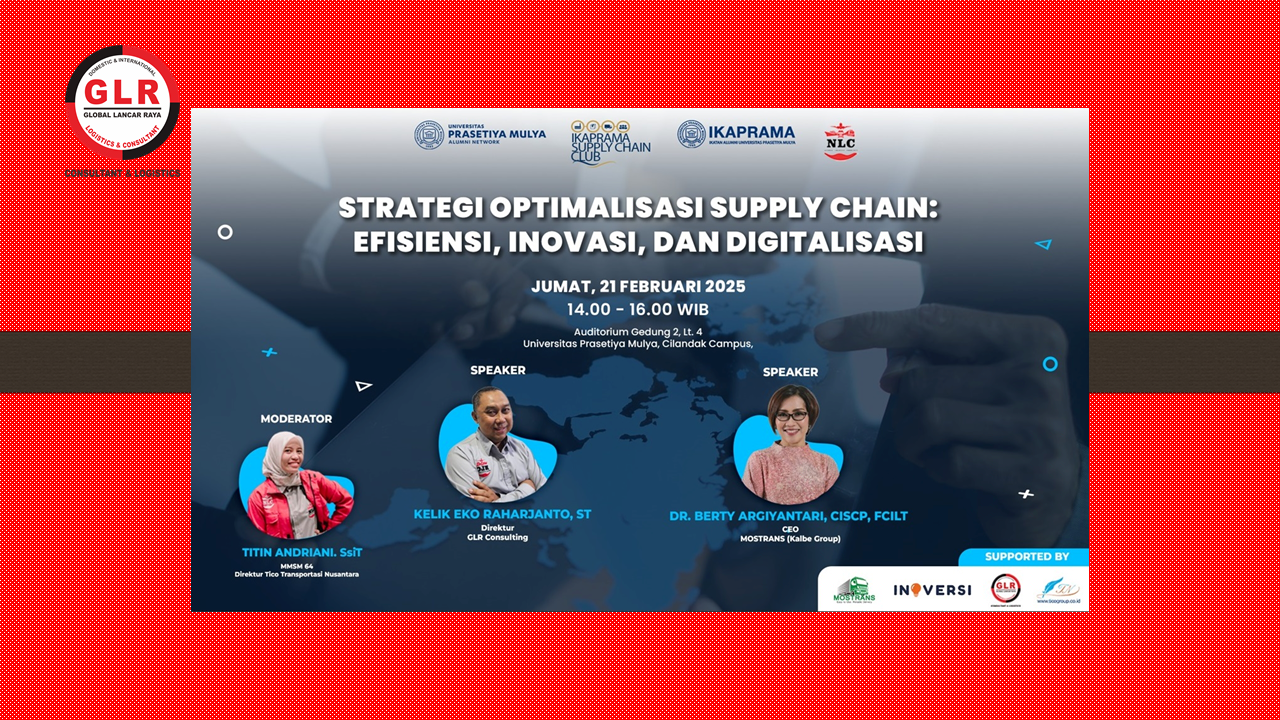
Kelik Eko Raharjanto, ST - Direktur/Owner PT GLR sebagai Speaker Strategi Optimalisasi Supply Chain Management Dengan ISO 9001
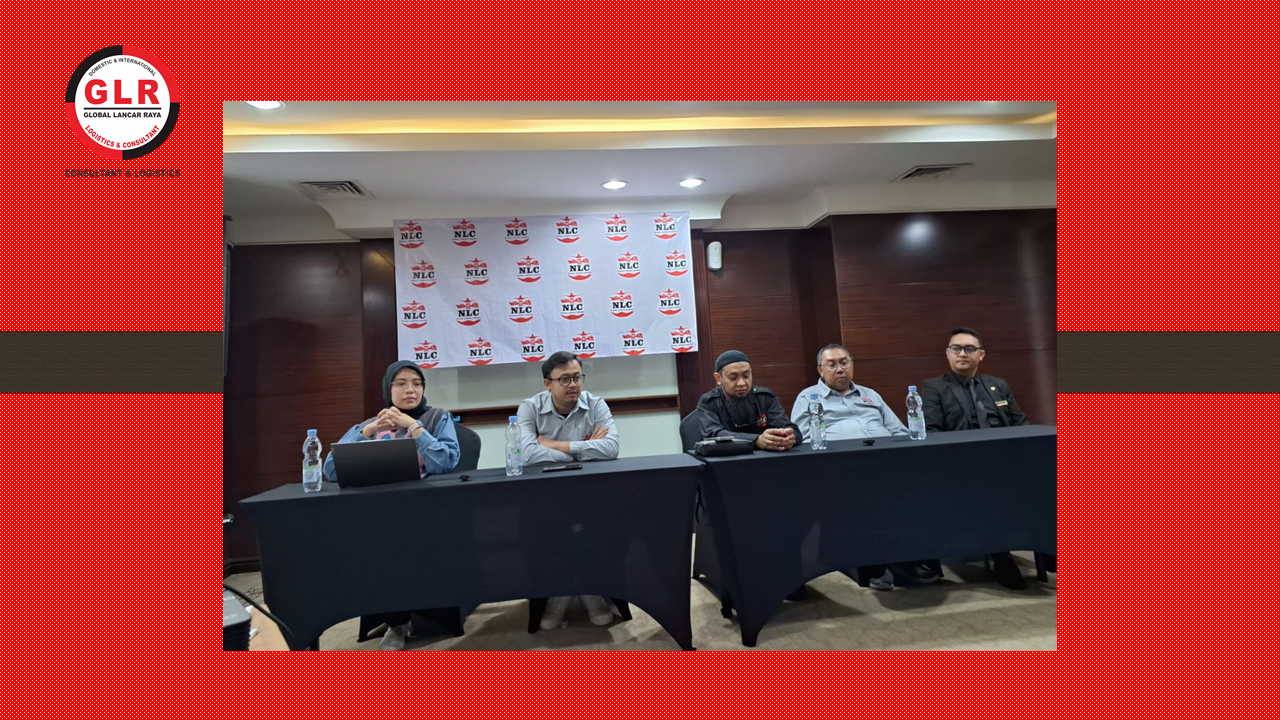
Jelang HUT ke 2, NLC Galang Peningkatan Networking & Sinergi Bisnis Logistik
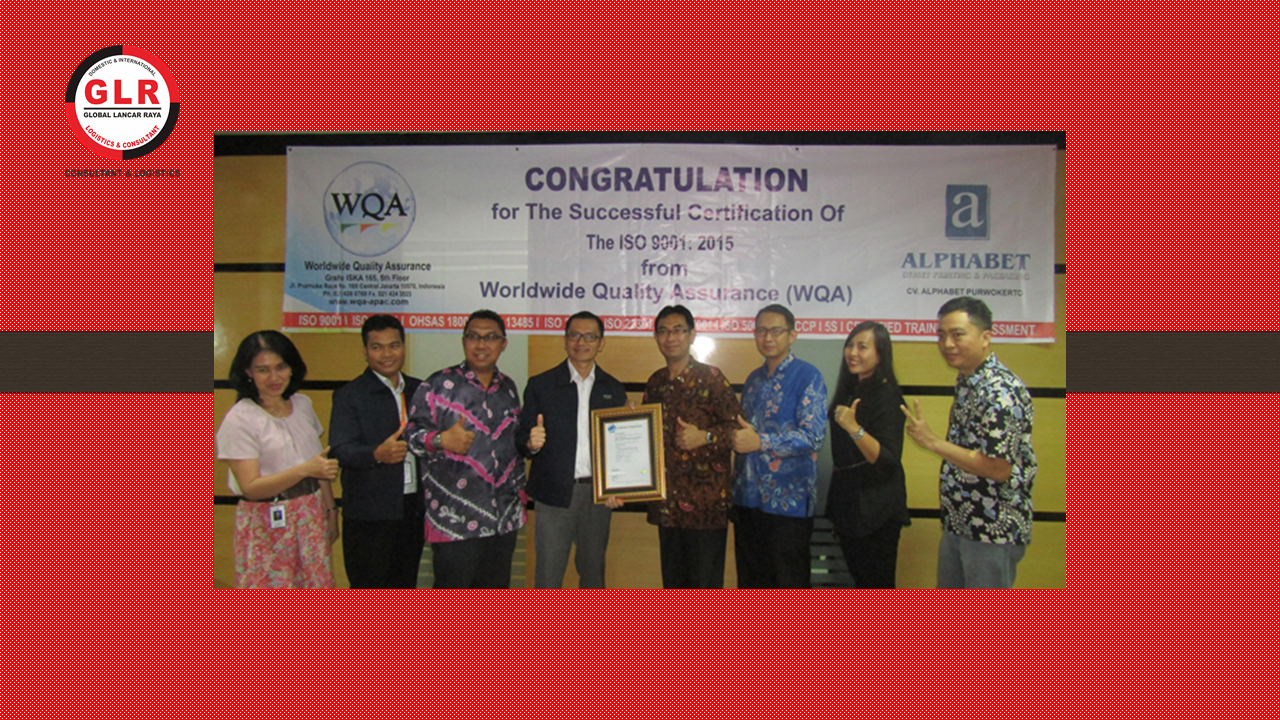
CV. ALPHABET Purwokerto Berhasil Meraih Sertifikat ISO 9001:2015
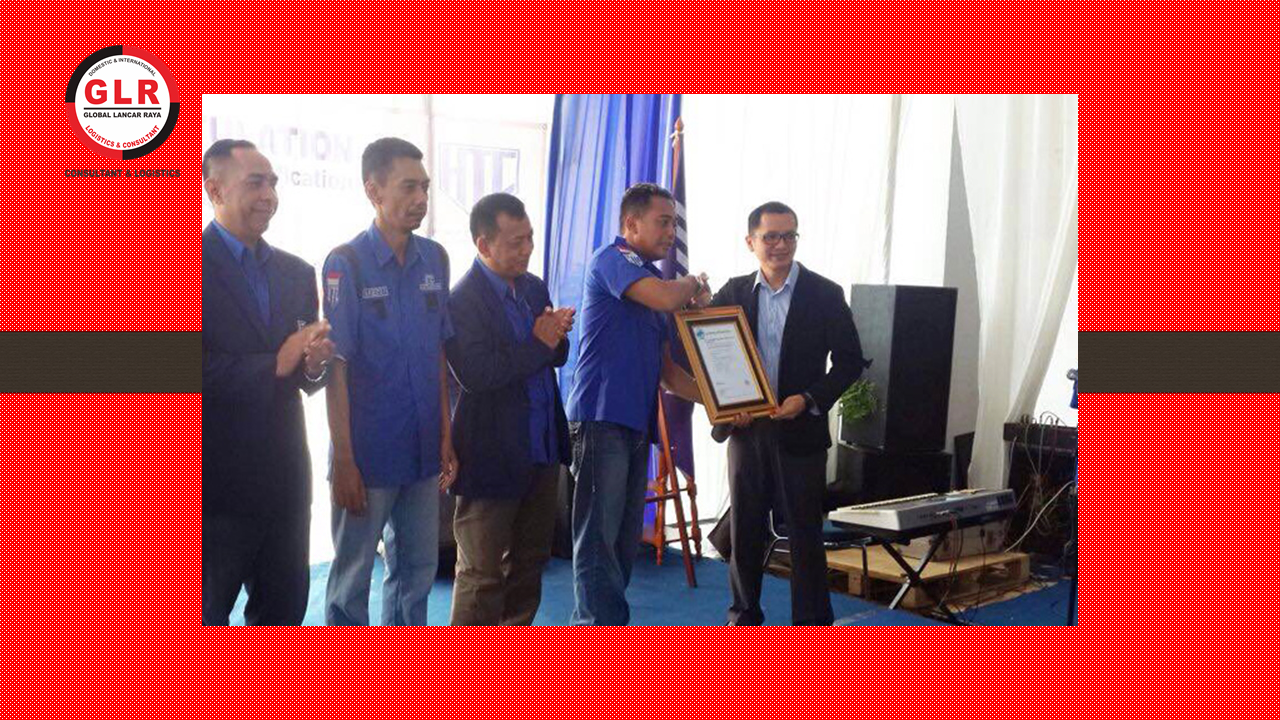
Penyerahan Sertifikat ISO 9001: 2015 PT. Halim Mitra Dirgantara